 Bizzy Amor
 williampower
One of the most ubiquitous supplemental protein sources today is Whey protein. Whey is the watery part of milk that is separated from the curd in the cheese making process.
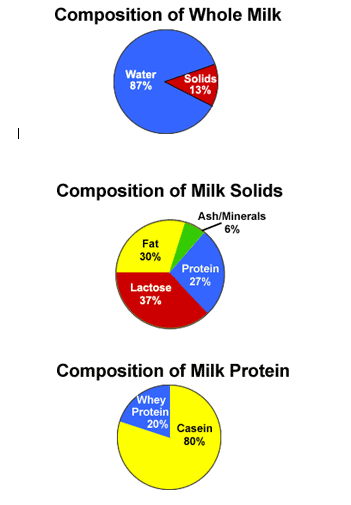
Whey has become extremely popular over the last decade because of the fact that it is a complete protein source i.e. it contains a full spectrum of the amino acids necessary for overall health. Whey is contraindicated however, for anyone with dairy allergies or lactose intolerance due to its derivation from milk. Whey protein has two concentration levels; whey protein isolate is the purest form of whey, about 90% of it is protein with a little fat and lactose. Whey protein concentrate, the lower grade of whey, can be anywhere from 25% to 85% protein, and tends to have higher traces of fat and lactose. When it comes to concentrate in a powdered form, it is usually sold at about 80% protein. Whey protein can also be hydrolyzed, meaning the aminos are pre broken down into peptides for easier digestion and a lesser incidence of allergic reactions. Whey protein is one of the highest rated protein sources on the PDCAAS (Protein Digestibility Corrected Amino Acid Score), the PER (Protein Efficiency Ratio) and the BV (Biological Value) evaluation scale making Whey one of the most efficient supplemental proteins…period.
 willgetyoufit
Is it possible to consume 100% protein?
If by consuming 100% protein you mean everything you eat being a protein, yes, its possible, is it healthy or recommended…nah…never. If you mean is it possible to eat something that is 100% protein, yes, egg whites are pretty much 100% protein and you can eat them alone or with something else.
Also, when is the best time to drink/eat supplemental protein?
The best times to take or eat a supplemental protein is as a meal replacement when solid food is unavailable or the supp is simply your healthiest choice given your options. It should also be taken when protein is needed expeditiously such as after an intense workout. Supplemental protein is great when you want to feed the body protein quick. Solid foods high in protein usually take long to digest, especially if they have fat in them as well. Typically the most recommended times to take a supp. protein (the ones that I cosign) are in the morning for breakfast and after an intense workout when the body is in the most need of a quick shot of protein.