Upon studying evidence of the past, studies show that our ancestors consumed a diet where the omega-6/omega-3 ratio was 1:1. Omega-3’s and omega-6’s are both essential fatty acids needed by the body for hormone production and healthy heart function. Over the years, our dietary habits have changed based on our geographic location, food availability and the technology utilized to produce food on a grand scale. The problem that has arrived from this natural progression is now in the western diet the ratio of omega-6’s to omega-3’s has jumped exponentially to 15:1!

Contemporary western diets have excessive amounts of omega-6 fatty acids as compared to the diet on which human beings evolved and their genetic patterns were derived. It is this imbalance that helps promote so much heart disease today. Excessive amounts of omega-6 polyunsaturated fatty acids (PUFA) and a very high omega-6/omega-3 ratio, as is found in today’s Western diets, promote the origination and escalation of many diseases, including cardiovascular disease, cancer, and inflammatory and autoimmune diseases. A lower omega-6/omega-3 ratio would exert a suppressive effect.

Omega-3’s exist in three forms. ALA (alpha-linolenic acid) is found in vegetable sources such as…

• flax seed oil
• soybean oil
• canola oil

Less potent sources are…
• walnuts
• dairy products
• beans
• broccoli

Omega-3’s are also found in two marine forms. They are EPA (eicosapentaenoic acid) and DHA (docosahexaenoic acid). They are found primarily in cold-water fatty fish such as…

• salmon
• mackerel
• lake trout
• herring
• sardines
• albacore tuna

Omega-6’s also exists in several forms. The first is LA (linoleic acid), which is found in…

• corn oil
• safflower oil
• soybean oil
• sunflower oil
• cottonseed oil

Two other forms of omega-6 are GLA (gamma-linolenic acid) and ARA (arachidonic acid). GLA is also found in plant-based oils. ARA is found in many animal based foods.

The World Health Organization suggests you consume an omega-6/omega-3 ratio of 1:1 as being optimal.

The first step in achieving a healthy balance is to minimize the use of oils rich in omega-6 fatty acids. Oils such as…
• corn
• sunflower
• safflower
• cottonseed

…are high in omega-6. Many margarines, salad dressings and mayonnaise are made from these omega-6 rich oils. Also, many processed foods contain these and similar oils. Pay attention to the labels.

The next step is to increase consumption of omega-3 rich foods. ALA (alpha-linolenic acid) is found in many vegetable sources. Also, high consumption of fish oils rich in omega-3 fatty acids has been shown innumerable times to reduce the risk of many heart conditions. So it is recommended to consume more cold-water fatty fish (listed above, beware of the mercury content of these fish). The third step is to add fish oil supplements to your daily diet.
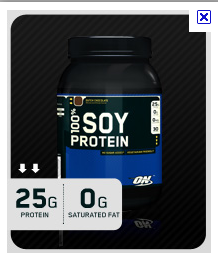
Soy protein has actually been around for quite a while and serves as a major player in the supplemental protein game, especially for vegans, vegetarians and the lactose intolerant. In recent years however, it has taken a dive in popularity, mainly due to the addition of other healthier, vegan friendly, lactose free products to the market like brown rice protein. In addition, some concentrations of soy protein have also been found to have higher levels of isoflavones and goitrogens (both absent in soy protein isolate). Isoflavones have shown evidence to increase estrogen in men and goitrogens can be noxious to the thyroid when over consumed. To add insult to injury, soybeans have the highest incidence of pesticide contamination among supplemental protein sources. They also contain phytic acid known to block the uptake of vitamins and minerals annnnnnnd they have enzyme inhibitors that reduce the effects of other enzymes necessary for digestion. Really tho?! All of that?! I’m not telling anyone that they shouldn’t use it or to stop using it, to each their own…all I’m saying is…”c’mon son…where they do that at?!”

What You Know About That Brown Rice…Protein?!

Posted: October 10, 2011 by williampower in Nutrition
Tags: , ,

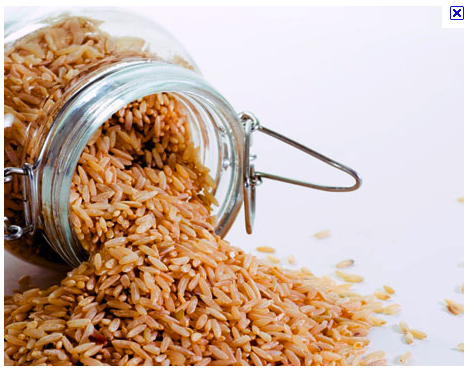
It’s lean, its mean, and its holding its own on the protein scene. Brown rice protein is becoming very popular and I’m sure its raving reviews have everything to do with it. Everyone recognizes brown rice for its proverbial superiority to white rice. F.Y.I., brown rice and white rice both originate as nutritional equals, the only difference is white rice is raped of its nutritional goodness during its processing. Take away the bleaching process, the chemical agents and the extreme heat during the making of white rice and you get brown rice. But I digress; brown rice is considered a power food because it is inundated with vitamins, minerals and antioxidants. Sprouted brown rice is even better with more fiber and aminos than its unsprouted counterpart. The protein in brown rice is one of the highest quality plant based proteins available. It also contains enzymes that naturally separate the carbs from the protein yielding a product that is usually about 80% protein. Extra amino acids like arginine (a precursor to nitric oxide that dilates blood vessels and expedites the delivery of nutrients to the muscle) and glutamine (promotes recovery, muscle growth and improved immunity) also join the fray boosting this products’ market value. Couple this with increased digestibility and its hypoallergenic nature and you’ve got a contender. Feel free to see “what brown can do for you” (UPS Man voice).

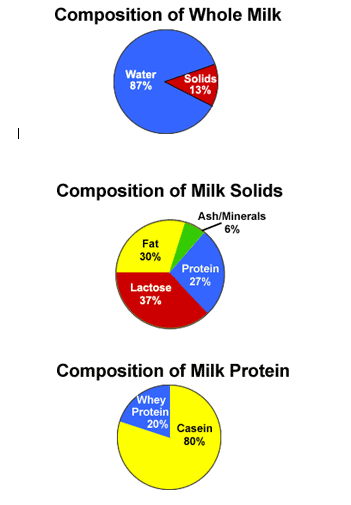
One of the most ubiquitous supplemental protein sources today is Whey protein. Whey is the watery part of milk that is separated from the curd in the cheese making process.

Whey has become extremely popular over the last decade because of the fact that it is a complete protein source i.e. it contains a full spectrum of the amino acids necessary for overall health. Whey is contraindicated however, for anyone with dairy allergies or lactose intolerance due to its derivation from milk. Whey protein has two concentration levels; whey protein isolate is the purest form of whey, about 90% of it is protein with a little fat and lactose. Whey protein concentrate, the lower grade of whey, can be anywhere from 25% to 85% protein, and tends to have higher traces of fat and lactose. When it comes to concentrate in a powdered form, it is usually sold at about 80% protein. Whey protein can also be hydrolyzed, meaning the aminos are pre broken down into peptides for easier digestion and a lesser incidence of allergic reactions. Whey protein is one of the highest rated protein sources on the PDCAAS (Protein Digestibility Corrected Amino Acid Score), the PER (Protein Efficiency Ratio) and the BV (Biological Value) evaluation scale making Whey one of the most efficient supplemental proteins…period.

“How Bad Do You Want It?”

Posted: October 8, 2011 by williampower in Behavior Modification, Exercise, Videos
Tags:

When it comes to choosing oils to cook with, people have different preferences. However, I find that most preferences are shaped by tradition as opposed to actual knowledge of the product. Some people are strictly #TeamCanolaOil. Some are #TeamOliveOil. Others are #TeamPeanutOil, #TeamSafflowerOil or even #TeamGrapeseedOil. But why? There are many oils out there that have ample reason to elicit your allegiance but which is the best, the king, the Floyd Mayweather of oils (yea I said it…#TeamMayweather). Well, the method by which the oil is extracted pays major dividends into how healthy it is. The two methods of extraction are chemically and mechanically. Chemical extraction is cheaper, more common and yields a less healthy product. Machine pressed involves no chemicals, no heat, is more expensive, but yields a healthier product. With every oil, factors that must be considered include smoking point (some oils like olive oil smoke at lower temps than others like canola), storage life and its recommended usage. Now, without further ado, the tales of the tape for all the challengers:

Olive Oil:

o Used for salad dressings, sautéing veggies, and grilling
o Smoke point 410 degrees F
o “Extra Virgin” is the highest quality of this oil; “extra light” is the lowest quality.
o Contains omega 3’s, 6’s and 9’s
o Most easily tolerated by the stomach
o Contains several antioxidants

Canola Oil:

• Used for cooking and baking
• Smoke point 468 degrees F
• “Organic cold pressed” is best
• Contains lowest amount of sat fat
• Contains high levels of EPA and DHA (good fatty acids)
o EPA and DHA are good because they counteract inflammatory hormones in the body that unbeknownst to most cause aches and pains throughout our daily lives

Walnut Oil:

• Used for salad dressings
• Smoke point 400 degrees F
• More expensive and shorter shelf life
• Bad for cooking, high heat removes oils flavor and makes it bitter. High heat also destroys the antioxidants.
• More widely used to add nutty flavor to certain dishes

Macadamia Oil:

• Used to cook fish, chicken, veggies, baked goods and on salads
• Smoke point 425 degrees F
• Best frying oil
• Can actually prevent sunburn and expedite healing of small wounds because of its high level of Vitamin E
• Rich in Omega 3’s and Omega 6’s
• Used for skin moisturizing and improving skin elasticity

Almond Oil:

• Used to sauté’ and stir fry foods
• Smoke point 410 degrees F
• Creates an almondy aroma and flavor in the food
• Very rich in Omega 6’s, a fatty acid we already get an overabundance of in the American diet (so this is a pro as well as a con)
• Good for skin moisturizing and minimizing the appearance of dark circles around the yes

Sesame Oil:

• Used for application to cold foods, used in small amounts to avoid over powering food with nutty flavor.
• Smoke point 400 degrees F
• Suitable for frying
• Dark sesame seed oil isn’t suitable for frying.
• Rich in antioxidants

Grapeseed Oil:

• Used for salad dressings, marinades, deep frying, and baking
• Smoke point 420 degrees F
• Cholesterol lower effect
• Has been shown to reduce inflammation of airways in asthma sufferers
• Rich in antioxidants

Safflower Oil:

• Contains vitamin E, Vitamin K, monosaturated fats, poly saturated fats and omega 6’s.
• Smoking point 450 degrees F
• Can be used as hair conditioner
• Used as a wrinkle cream

Coconut Oil:

• Almost 95% saturated fat
• Rich in Vitamin E and K

Vegetable Oil:

o Usually a mix of oils derived from seeds
o Used for shortening for baked goods, pastries and breads; to improve food texture; as a medium for cooking procedures such as frying; and as a base for flavored content.

Much like perception, peoples’ preferences are relative, therefore; everyone will have a different view of which oil is the best when it comes to them, their lifestyle and what they are looking for. We all have different needs. This list will help you determine which oil is best when it comes to your life and preference. Feel free to be on more than one team if you like.

Typically, when people find themselves hard-pressed to lose weight, they automatically turn to dieting as their first step toward redemption. However, for people who are trying to lose weight, dieting isn’t always the best answer. Honestly, lifestyle changes are the best answers for anyone trying to trim down or become healthier, lifestyle changes that yes, often require dietary changes. But, for those who want to try other things before they delve into the arduous task of complete dietary overhaul, there are numerous things you can do to either cut some calories or burn some extra. Things like:

Exercising and increasing physical activity (see “Tips For Increasing Physical Activity”)

Eating Breakfast. When we sleep, our body is essentially fasting for the duration of time we spend counting sheep. Fasting for hours on end slows our metabolism and can eventually lead to fat retention and muscle breakdown. To break that fast (hence the name “breakfast”), you need to eat as soon as possible upon waking. This will rejuvenate your metabolism and replenish all the energy stores your body used up to power itself while you slept.

Relax on those midnight “pleasure food” snacks and refrigerator raids. If you get hungry over night, eat a vegetable based snack, drink some water and go to bed!

Eat more lean proteins. Diets with abundant protein intake have been shown to reduce overall appetite.

Be cognizant of liquid calories. Don’t drink your calories. Unless it’s a meal replacement and is used correctly, DON’T DRINK YOUR CALORIES. It’s that simple.

Eat smaller, and more often. Avoid insulin spikes that lead to fat storage by consuming smaller meals with less fat, less sugar and less calories. Avoiding excessive insulin spikes will improve your energy levels, prevent unnecessary fat storage and spike your metabolism (that’s a good thing).

Drink more water. You’ve been hearing the benefits of drinking water since grade school. You don’t need another list of reasons why you should. You + 8-12 glasses of water a day = #winning

When possible, cook your own food. That way you know what goes in it and have control over it. The more control your have over what you eat the better.

Whether dieting, not dieting, on the borderline of maybe kinda sorta thinking about dieting, try these tip out, follow them consistently and as your lifestyle changes so will you waistline → #fact

We’ve all heard of training at your specified heart rate but what heart rate suits your goals the best? There are five proposed heart rate zones: Healthy, Temperate, Aerobic, Threshold, and Red Line.

Zone 1: Healthy Heart – 50 to 60% of HRmax. This zone is theorized to improve metabolic and emotional health. It is low intensity and has been shown to lower cholesterol, emotional stress and improves blood pressure.

Zone 2: Temperate – 60 – 70% of HRmax. This zone is more of a moderate intensity and burns more calories via fat than zone 1. Sometimes this is also called the “recovery zone” used after workouts to remove lactic acid and expedite fat utilization.

Zone 3: Aerobic – 70 to 80% of HRmax. Zone 3 is good for improvements in endurance, the ability to sustain exercise for long periods of time before fatiguing. It is theorized to work by improving the body’s production of energy at the cellular level, enhancing fat utilization and increasing total calorie expenditure. This level would be on the harder side for the average person who is in decent shape.

Zone 4: Threshold – 80 to 90% HRmax.
This zone is usually recommended only for athletes; however, it is for anyone who wants to get fitter faster. The reason to spend time in this zone is to improve aerobic capacity.

Zone 5: RED LINE – 90 to 100% HRmax. This is near to all out effort and only can be sustained for seconds at a time even by top athletes. This zone is contraindicated for anyone not in top physical condition due to its potential metabolic stress on the body.

Ref — I.F.J. (2011)

1. Weight train only 4 to 5 days a week. If growing is your primary concern then rest is paramount. Schedule breaks between intense sessions. For some, you may only need to workout 4 days and on your off days do absolutely nothing (no cardio or resistance training). Even if the gains don’t come right away this is not an indication that you need to workout more days a week. Be patient, stick to the formula and the gains will come.

2. Cut back on all the reps and sets. As a hard gainer, doing too many reps and too many sets is a recipe for overtraining. Heuristically, it seems better to train bigger body parts (legs, chest, back) with a 3 – 4 exercise per session rate and the smaller muscles (biceps, triceps, shoulders, etc.) 2 – 3 exercises per session.

3. Emphasize compound exercise where more than one muscle group is used at one time i.e. squat and military press.

4. Reduce cardio. Cardio done too often can burn too many calories over time. Use cardio sparingly to control fat stores but keep pace with your calorie intake to insure proper growth.

5. Keep it short and sweet. Hard gainer workouts shouldn’t last more than about an hour. Beyond that, excess cortisol (a catabolic hormone) can be released inhibiting growth of the muscles.

6. Consume more complex carbs to energize your intense workouts. Carbs are important because they provide energy and they control insulin, an anabolic hormone that forces energy into the muscle stimulating growth. Once again complex carbs should be your primary target in carbo-loading. For more info see “Summary of Macronutrients”.

7. Eat adequate high quality proteins. These are the building blocks to your muscles. For a breakdown of quality protein see “Summary of Macronutrients).

8. Use things like Echinacea and Ginger Root to increase appetite. An increased appetite will lead to the consumption of more calories which in the long and short term help you reach your goal.


1. Eating two or three huge meals with several hours in between
. Yes, you hard gainers (those who have trouble gaining quality muscle) are less inclined to turn these meals into fat due to your fast metabolisms, however, this method will also force your body to feed off stored energy (often muscle mass over body fat) in between meals. This makes it more than difficult for your body to retain muscle mass. The best solution for this is to eat 5 to 6 meals each day.

2. Consuming excess amounts of calorie-laden junk foods. Eating can be like a job for hard gainers. In an attempt to pack on some quick calories, hard gainers often turn to fast food like burgers or pizza. However, these foods contain entirely too much sugar, fat, and refined flour. They are better at adding inches to your waistline than adding inches to your biceps. In the fitness game, always emphasize quality over quantity. Eat quality whole foods and consume quality liquid calories when whole foods aren’t available. For some, weight-gaining products taken correctly can be a great way to gain mass.

3. Using too many energy drinks, which inhibit appetite. Caffeinated energy drinks play an important role in mustering energy and supporting mass gains. The problem is, they reduce appetite making it less likely for hard gainers to consume the quality calories necessary for mass gains. No one is saying to eliminate caffeine from your diet, just remember to consume it in moderation so that it doesn’t impact to intake of necessary quality calories.

4. Eating inconsistently. Most hard gainers have a tendency to eat well for two or three days then fall off the chuck wagon for lack of a better term. You have to eat consistently to grow. You should be hitting our target amount of calories each day.

5. Overtraining. More than a few hard gainers are under the assumption that more training means more muscle growth. Well that’s not entirely accurate. Muscles grow after you train, while you’re resting. Training too long or too often can be counterproductive.