Archive for the ‘Nutrition’ Category

1. Commitment to the cause: Now is the right time. Your life is busy and full of stress and it will probably always be. Ask yourself, if you were sick, would you postpone feeling better for a month or two? Doubt it. This should be alon those same lines of thinking, make the commitment to yourself to start feeling good and lose those extra pounds today. In the words of Terry Guillemets…”tomorrow is disease”.

2. Cardio: Plan three 30- 45 minute aerobic workouts into your schedule each week. Don’t leave it to chance that it will fit in because then it won’t. It can be walking, biking, or even a class. Just get your heart rate to 60 – 75% of your maximum heart rate.

3. Weight Training: Try and maintain two workouts per week into your schedule. This time investment will help you build and maintain muscle. The more muscle you have and the more efficiently they work, the more calories you will burn all day long with less effort. For those of you worried about getting too muscular, stop it. First of all you would need to be genetically predisposed to have large muscles and second you would need to take in a lot of extra calories which is the opposite of what we are trying to do here. But, to play my own devil’s advocate, lets say you find yourself “too muscular”, then that means you succeeded in losing that extra unsightly bodyfat that you were trying to lose, and at that point you could just cut back on the weight training.

4. Hydration: Water is involved in everything the body does from your joints to your liver (which is the organ that metabolizes fat). The rule of thumb is eight, 8-oz glasses of water per day. This sounds simple, but most people that I come across who diet and exercise regularly and still can not lose weight are under hydrated. Best solution, only drink water or tea. Eliminate all those calorie laden bevegaes out your diet (allowing you to cut calories) and replace them with water (increasing your water intake). You know what that’s call…#winning!

5. Eat 5 – 6 Small Meals Per Day: Why? Because this technique will increase your metabolism and energy levels. It will also curb that hungry feeling which leads to cheating. This technique will train your body to stay in a constant food burning mode with a steady, but not overabundant flow of nutrients.

6. Balanced Meals: This means you need to have some protein and fat with carbohydrates at each meal. Both protein and fat reduce the glycemic index of carbohydrates, so you won’t get a big, fat-producing insulin surge. High GI foods (simple sugars, fat-free treats, and highly processed foods) cause a rapid increase in blood sugar levels – which causes a big insulin release to shuttle the excess blood sugar into cells. Remember, whatever isn’t used by the body at that point in time is stored as fat.

7. Limit Fats and Simple Carbohydrates: One way to do this is to eat less processed foods. But, this isn’t always possible, so pay attention to what you are eating. Read labels, if more than 20% of the calories comes from fat, don’t eat it. Eat fiber rich breads (if any…I don’t recommend bread intake) and cereals, they will fill you up faster.

8. Limit Eating Near Bedtime: If possible, try not to eat two hours before turning in for the night. Most people are not as active after their evening meal as they are earlier in the day. It is best to keep the total calorie level, as well as carbohydrate level, lower in your later meals. This will prevent extra fat storage that would occur as we sleep.

9. Eat it. Drink it. Write it.: Write down everything you eat and drink in a log. This will keep you honest, and help you plan. It has been said, “the act of recording history, changes history”? By writing down your food intake, you will see where you have been making mistakes and it will make you think about it before you make that the same mistake again.

10. Reward: Give yourself a reward when you achieve certain goals. Maybe a new outfit (because the other ones are getting baggy). Acknowledge the hard work you have done and the success you are achieving. #Hardworkpaysoff.

Focus on:
• Portion control
• Optimum selection from a variety of food groups

8 Tips to help you through those holiday dinners:

*Drink a glass or two of water before eating or use soup as an appetizer (if available) to help you get fuller faster

*Use a smaller plate

*Cover most of your plate with salad and vegetables

*Aim for turkey as your primary meat due to its lean quality, but keep it under 5 or 6 ounces

*Chill out on the candied yams…

*Relax on the mash potatoes, typically a housing for insidious agents like butter, salt and cream

*Fat Free Eggnog

*Avoid over consuming alcohol, calories add up quicker when you drink them

-Ref. IDEA F.J. 2011

1. Keep a balanced blood sugar. Best ways to do this is to eat breakfast everyday, eat smaller meals throughout the day and avoid simple and refined carbohydrates.

2. Avoid artificial sweeteners. These products are made to circumvent sugar in the diet by giving food a sweet taste without causing insulin spikes. However, ironically, these products can be up to 60x sweeter than sugar which can activate the appetite centers of the brain coercing you to crave even more food and more sugar. It also expedites the absorption of alcohol into the bloodstream when alcohol is consumed with beverages with artificial sweeteners in them.

3. Avoid emotional eating; sublimate your stress in a positive manner. Stress has been linked for years to obesity starting with the tendency of many to eat when emotionally frazzled or damaged. Consider exercise as a stress reliever, it will relieve your stress by causing your body to release “feel good” endorphin hormones as well as benefitting you in several other ways.

4. Outsmart yourself. You know yourself better than anyone; therefore, you are the best candidate to put yourself in a position to be successful. Identify your environmental triggers that cause your to eat poorly and either eradicate them or avoid them. For example, if you and your friends are going out to eat and you know how you get when you are hungry, eat before you go out. You don’t have to eat a whole meal, but a snack would help greatly to control that appetite. It’s a lot easier to make healthier decisions with food when you aren’t starving.

5. Use Will Power ☺ Make it a habit to say no to things that hurt your progression. Over time this will become easier and easier.

6. Move your ass. As mentioned earlier, exercise helps to defer obese tendencies. It also improves the way the body uses sugar, handles stress, and makes choices.

7. Get your 6-8 every night. Science has already shown evidence that less sleep increases the likelihood of weight gain and increases the amount of cravings you will have throughout the day.

Ref: IDEA F.J.

By now you may have seen several ads throughout the Public Transportation system vilifying sugar, and rightfully so. Sugar is one of the biggest reasons why Americans are the fattest people on the planet. There is an excessive amount of sugar in processed foods and the average American has a diet that is 90% processed. To add insult to injury, Americans have the audacity (albeit unbeknownst to some) to drink sugar laden drinks throughout the day that are more concentrated with sugar than the processed foods they eat! Well the NYC Board of Health is doing what it can to get the word out and let people know that those sugar drinks are quite possibly the biggest reason why your waistlines are expanding.

These ads, now being placed throughout the city, are a push by the Department of Health to educate New Yorkers on the dangers of sugary drinks and to draw attention to the insidious dangers that accompany drinking your calories.

Those in particular danger are todays youth who are adding to the obesity epidemic at an alarming rate. There is absolutely no excuse for children to be developing ADULT Onset Diabetes in their preteens, not 1! Kids dont know any better…adults, parents, whoever you are its time to open your eyes. I preach this all the time, if you knew better you’d do better…hopefully I’m right…

^^That right there is just nasty man^^ #stopit

Detox Me Baby!

Posted: October 13, 2011 by williampower in Behavior Modification, Myth Busting, Nutrition
Tags: , ,

I’m sure by now you’ve all seen at least one advertisement for programs that offer “natural” techniques for detoxifying your body. Well quite frankly this is not a requirement for 99% of the people who purchase them. Believe it or not, your body is quite adroit at filtering itself. Along with the liver, the body already has multiple detoxification systems in place (the kidneys, the entire gastrointestinal tract, etc.) that do an efficacious job of eliminating toxins from the body within hours of intake. For the most part, many nutritionists and doctors agree that several of the detoxes offered to the public outside medical guidance are pointless and usually dangerous. Most detoxes are kin to fad diets; they promote weight loss based on doo doo science that has no relation to how the body actually works. No detoxification program has yet to produce evidence to show that it augments the body’s natural ability to filter itself.

Due to the fact that generally no side effects are reported post detox, detox diets are gaining popularity faster than celebrity sex tapes. But don’t be fooled, instead of working on a detox, work on fixing your lifestyle. If your dietary intake is so bad that you feel you need to be detoxed then your first step should be to correct the inadequacies in your diet. Eat a proper diet and let your body do the rest. If your body is having a reaction that it can’t fix on its own once your diet is corrected, chances are whatever you have isn’t going to be cured by any detox. For those of you who detox as a sort of mental springboard to get you on track, there are a few healthy ways to aid the body in its detoxification process, ways that will help you physically without hurting you financially.

Increase water intake:
Water is the most reliable source that can help you to get rid of multiple skin and health issues without taking any extra tablets or programs. Intake the proper amount of water on daily basis (8-12 cups) and this method will help you to release all of your bad toxins in your blood via urine.

Make fiber your friend:

Diets rich in fiber are also a great way to get rid of inner body problems. Fiber is good for your immune and digestive system and it helps your liver to generate blood effectively. Fruits, veggies, and whole grains are the best sources of fiber.

Avoid junk food:

That’s it.

Upon studying evidence of the past, studies show that our ancestors consumed a diet where the omega-6/omega-3 ratio was 1:1. Omega-3’s and omega-6’s are both essential fatty acids needed by the body for hormone production and healthy heart function. Over the years, our dietary habits have changed based on our geographic location, food availability and the technology utilized to produce food on a grand scale. The problem that has arrived from this natural progression is now in the western diet the ratio of omega-6’s to omega-3’s has jumped exponentially to 15:1!

Contemporary western diets have excessive amounts of omega-6 fatty acids as compared to the diet on which human beings evolved and their genetic patterns were derived. It is this imbalance that helps promote so much heart disease today. Excessive amounts of omega-6 polyunsaturated fatty acids (PUFA) and a very high omega-6/omega-3 ratio, as is found in today’s Western diets, promote the origination and escalation of many diseases, including cardiovascular disease, cancer, and inflammatory and autoimmune diseases. A lower omega-6/omega-3 ratio would exert a suppressive effect.

Omega-3’s exist in three forms. ALA (alpha-linolenic acid) is found in vegetable sources such as…

• flax seed oil
• soybean oil
• canola oil

Less potent sources are…
• walnuts
• dairy products
• beans
• broccoli

Omega-3’s are also found in two marine forms. They are EPA (eicosapentaenoic acid) and DHA (docosahexaenoic acid). They are found primarily in cold-water fatty fish such as…

• salmon
• mackerel
• lake trout
• herring
• sardines
• albacore tuna

Omega-6’s also exists in several forms. The first is LA (linoleic acid), which is found in…

• corn oil
• safflower oil
• soybean oil
• sunflower oil
• cottonseed oil

Two other forms of omega-6 are GLA (gamma-linolenic acid) and ARA (arachidonic acid). GLA is also found in plant-based oils. ARA is found in many animal based foods.

The World Health Organization suggests you consume an omega-6/omega-3 ratio of 1:1 as being optimal.

The first step in achieving a healthy balance is to minimize the use of oils rich in omega-6 fatty acids. Oils such as…
• corn
• sunflower
• safflower
• cottonseed

…are high in omega-6. Many margarines, salad dressings and mayonnaise are made from these omega-6 rich oils. Also, many processed foods contain these and similar oils. Pay attention to the labels.

The next step is to increase consumption of omega-3 rich foods. ALA (alpha-linolenic acid) is found in many vegetable sources. Also, high consumption of fish oils rich in omega-3 fatty acids has been shown innumerable times to reduce the risk of many heart conditions. So it is recommended to consume more cold-water fatty fish (listed above, beware of the mercury content of these fish). The third step is to add fish oil supplements to your daily diet.

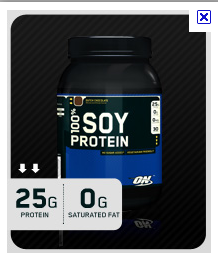
Soy protein has actually been around for quite a while and serves as a major player in the supplemental protein game, especially for vegans, vegetarians and the lactose intolerant. In recent years however, it has taken a dive in popularity, mainly due to the addition of other healthier, vegan friendly, lactose free products to the market like brown rice protein. In addition, some concentrations of soy protein have also been found to have higher levels of isoflavones and goitrogens (both absent in soy protein isolate). Isoflavones have shown evidence to increase estrogen in men and goitrogens can be noxious to the thyroid when over consumed. To add insult to injury, soybeans have the highest incidence of pesticide contamination among supplemental protein sources. They also contain phytic acid known to block the uptake of vitamins and minerals annnnnnnd they have enzyme inhibitors that reduce the effects of other enzymes necessary for digestion. Really tho?! All of that?! I’m not telling anyone that they shouldn’t use it or to stop using it, to each their own…all I’m saying is…”c’mon son…where they do that at?!”

What You Know About That Brown Rice…Protein?!

Posted: October 10, 2011 by williampower in Nutrition
Tags: , ,

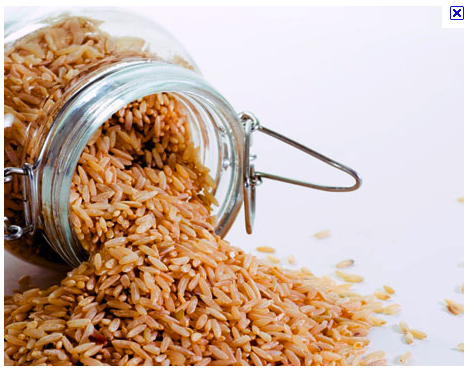
It’s lean, its mean, and its holding its own on the protein scene. Brown rice protein is becoming very popular and I’m sure its raving reviews have everything to do with it. Everyone recognizes brown rice for its proverbial superiority to white rice. F.Y.I., brown rice and white rice both originate as nutritional equals, the only difference is white rice is raped of its nutritional goodness during its processing. Take away the bleaching process, the chemical agents and the extreme heat during the making of white rice and you get brown rice. But I digress; brown rice is considered a power food because it is inundated with vitamins, minerals and antioxidants. Sprouted brown rice is even better with more fiber and aminos than its unsprouted counterpart. The protein in brown rice is one of the highest quality plant based proteins available. It also contains enzymes that naturally separate the carbs from the protein yielding a product that is usually about 80% protein. Extra amino acids like arginine (a precursor to nitric oxide that dilates blood vessels and expedites the delivery of nutrients to the muscle) and glutamine (promotes recovery, muscle growth and improved immunity) also join the fray boosting this products’ market value. Couple this with increased digestibility and its hypoallergenic nature and you’ve got a contender. Feel free to see “what brown can do for you” (UPS Man voice).

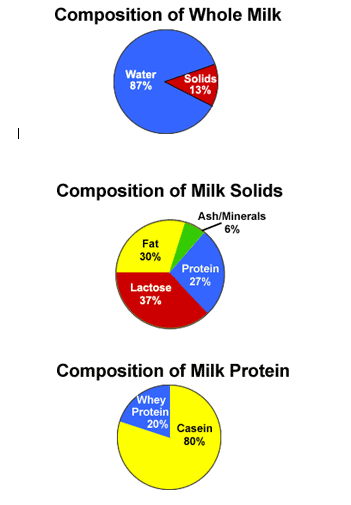
One of the most ubiquitous supplemental protein sources today is Whey protein. Whey is the watery part of milk that is separated from the curd in the cheese making process.

Whey has become extremely popular over the last decade because of the fact that it is a complete protein source i.e. it contains a full spectrum of the amino acids necessary for overall health. Whey is contraindicated however, for anyone with dairy allergies or lactose intolerance due to its derivation from milk. Whey protein has two concentration levels; whey protein isolate is the purest form of whey, about 90% of it is protein with a little fat and lactose. Whey protein concentrate, the lower grade of whey, can be anywhere from 25% to 85% protein, and tends to have higher traces of fat and lactose. When it comes to concentrate in a powdered form, it is usually sold at about 80% protein. Whey protein can also be hydrolyzed, meaning the aminos are pre broken down into peptides for easier digestion and a lesser incidence of allergic reactions. Whey protein is one of the highest rated protein sources on the PDCAAS (Protein Digestibility Corrected Amino Acid Score), the PER (Protein Efficiency Ratio) and the BV (Biological Value) evaluation scale making Whey one of the most efficient supplemental proteins…period.

When it comes to choosing oils to cook with, people have different preferences. However, I find that most preferences are shaped by tradition as opposed to actual knowledge of the product. Some people are strictly #TeamCanolaOil. Some are #TeamOliveOil. Others are #TeamPeanutOil, #TeamSafflowerOil or even #TeamGrapeseedOil. But why? There are many oils out there that have ample reason to elicit your allegiance but which is the best, the king, the Floyd Mayweather of oils (yea I said it…#TeamMayweather). Well, the method by which the oil is extracted pays major dividends into how healthy it is. The two methods of extraction are chemically and mechanically. Chemical extraction is cheaper, more common and yields a less healthy product. Machine pressed involves no chemicals, no heat, is more expensive, but yields a healthier product. With every oil, factors that must be considered include smoking point (some oils like olive oil smoke at lower temps than others like canola), storage life and its recommended usage. Now, without further ado, the tales of the tape for all the challengers:

Olive Oil:

o Used for salad dressings, sautéing veggies, and grilling
o Smoke point 410 degrees F
o “Extra Virgin” is the highest quality of this oil; “extra light” is the lowest quality.
o Contains omega 3’s, 6’s and 9’s
o Most easily tolerated by the stomach
o Contains several antioxidants

Canola Oil:

• Used for cooking and baking
• Smoke point 468 degrees F
• “Organic cold pressed” is best
• Contains lowest amount of sat fat
• Contains high levels of EPA and DHA (good fatty acids)
o EPA and DHA are good because they counteract inflammatory hormones in the body that unbeknownst to most cause aches and pains throughout our daily lives

Walnut Oil:

• Used for salad dressings
• Smoke point 400 degrees F
• More expensive and shorter shelf life
• Bad for cooking, high heat removes oils flavor and makes it bitter. High heat also destroys the antioxidants.
• More widely used to add nutty flavor to certain dishes

Macadamia Oil:

• Used to cook fish, chicken, veggies, baked goods and on salads
• Smoke point 425 degrees F
• Best frying oil
• Can actually prevent sunburn and expedite healing of small wounds because of its high level of Vitamin E
• Rich in Omega 3’s and Omega 6’s
• Used for skin moisturizing and improving skin elasticity

Almond Oil:

• Used to sauté’ and stir fry foods
• Smoke point 410 degrees F
• Creates an almondy aroma and flavor in the food
• Very rich in Omega 6’s, a fatty acid we already get an overabundance of in the American diet (so this is a pro as well as a con)
• Good for skin moisturizing and minimizing the appearance of dark circles around the yes

Sesame Oil:

• Used for application to cold foods, used in small amounts to avoid over powering food with nutty flavor.
• Smoke point 400 degrees F
• Suitable for frying
• Dark sesame seed oil isn’t suitable for frying.
• Rich in antioxidants

Grapeseed Oil:

• Used for salad dressings, marinades, deep frying, and baking
• Smoke point 420 degrees F
• Cholesterol lower effect
• Has been shown to reduce inflammation of airways in asthma sufferers
• Rich in antioxidants

Safflower Oil:

• Contains vitamin E, Vitamin K, monosaturated fats, poly saturated fats and omega 6’s.
• Smoking point 450 degrees F
• Can be used as hair conditioner
• Used as a wrinkle cream

Coconut Oil:

• Almost 95% saturated fat
• Rich in Vitamin E and K

Vegetable Oil:

o Usually a mix of oils derived from seeds
o Used for shortening for baked goods, pastries and breads; to improve food texture; as a medium for cooking procedures such as frying; and as a base for flavored content.

Much like perception, peoples’ preferences are relative, therefore; everyone will have a different view of which oil is the best when it comes to them, their lifestyle and what they are looking for. We all have different needs. This list will help you determine which oil is best when it comes to your life and preference. Feel free to be on more than one team if you like.