 Bizzy Amor
 williampower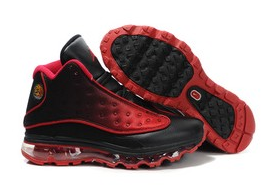
When it comes to running, the most important pieces of equipment in your training are your shoes. The reason for this is different shoes favor different types or running/training. Contrary to the whims of most, running shoes should not be chosen just because they look nice and match your favorite training outfit. Now this post isn’t intended to recommend a specific shoe to anyone because everyone has different feet and therefore require different footwear.

The first thing to consider when purchasing shoes is what their intended purpose is. The new Jordans might be a great shoe but not even MJ himself would wear them to run a marathon. That’s not what Jordans are made for. So that being said, what is the right shoe for your foot? Well the best shoe for your foot will combine a good fit and a good support of your biomechanical structure. Fit is self-exclamatory, but biomechanical structure refers to the “pronation” of your foot. Pronation is the description of how one’s foot contacts the ground when in motion. Your pronation can easily be observed by looking at the wear pattern of your old sneakers and shoes. If your shoes are leaning toward the outside you tend to under pronate when you walk or land on the outside of your heel instead of landing flat and even. If the opposite wear is observed then you tend to over pronate or land on the inside of your heel first. For a more accurate observation, specialty stores for running can measure your gait (the way you walk) with professional tools and give you and idea of how your gait is misaligned.
There are 4 ways to pronate upon contact with the ground:
Neutral – balanced and flexible shoes are required
Under pronation – required more cushioning and flexibility
Slight Over pronation – stability trainer
Severe Over pronation – control trainer
Once you have determined your pronation factor, picking the correct shoe becomes systematic, choose a shoe that compliments your gait. 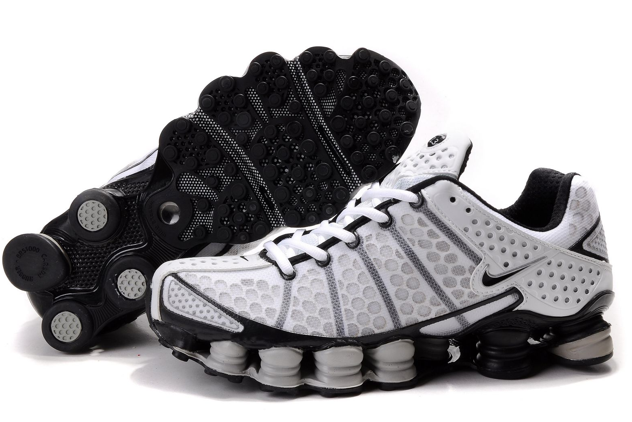 In doing this, remember to take into account the things that you consider when buying normal shoes, is there room in the front, does it comfortably rest on your heel, etc. Once all is said and done, if the shoe fits…wear it.
 willgetyoufit